Charavaryamath Chandru
Charavaryamath Chandru
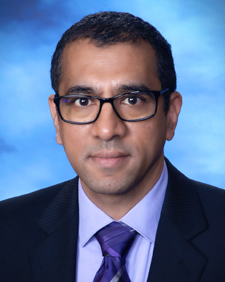 |
Chandrashekhar (Chandru) Charavaryamath, BVSc, MVSc, PhD Associate Professor, Anatomy and Physiology
Dr. Charavaryamath is an Associate Professor of Veterinary Anatomy and Physiology with research interests focused on the mechanisms of respiratory and neuroinflammation caused by exposure to agricultural and other contaminants. Employing in vitro, ex vivo, and in vivo models, his work aims to uncover underlying mechanisms and identify therapeutic targets to mitigate inflammation. A secondary area of his research involves exploring pathogen interactions with the respiratory and gastrointestinal tracts, alongside the roles of inflammation and commensal flora in microbial invasion. His past studies have utilized models such as calves (paratuberculosis), piglets (post-weaning diarrhea), and surgically modified pigs (C. difficile), providing him with extensive expertise in gut-mucosal immunity and surgical models. Additionally, he has served as a reviewer for various national and international funding agencies. Dr. Charavaryamath is a trained anatomist with experience teaching gross anatomy, histology, embryology (problem-based curriculum), and respiratory physiology (didactic curriculum). Currently, he teaches gross anatomy and respiratory physiology within the integrated DVM curriculum at Rowan University's Shreiber School of Veterinary Medicine. He has a strong commitment to graduate and professional education, and mentoring. Beyond academia, Dr. Charavaryamath actively contributes to professional organizations, including the American Association of Veterinary Anatomists, the American Association of Anatomists, and the American Thoracic Society. He also serves on several committees within the Shreiber School of Veterinary Medicine at Rowan University. Dr. Chandru Charavaryamath’s research embodies the One Health approach, tackling interconnected health challenges at the human–animal–environment interface. By employing innovative animal models, Dr. Charavaryamath has advanced our understanding of host–pathogen interactions and their relevance to both veterinary and human medicine. His work spans critical areas, including the health impacts of working in swine farms, commensal microbiota, and pathogens such as Klebsiella pneumoniae, Escherichia coli, Mycobacterium avium subspecies paratuberculosis, and Clostridioides difficile. These studies provide valuable insights into disease mechanisms and potential interventions. Through translational models, Dr. Charavaryamath’s research not only elucidates pathogen behavior but also informs strategies to reduce zoonotic risks and combat antimicrobial resistance—reinforcing the principle that human and animal health are inseparable. Publications |