Drug Discovery Cluster
Drug Discovery Cluster
Turning Discovery into Better Therapies
Cluster Overview
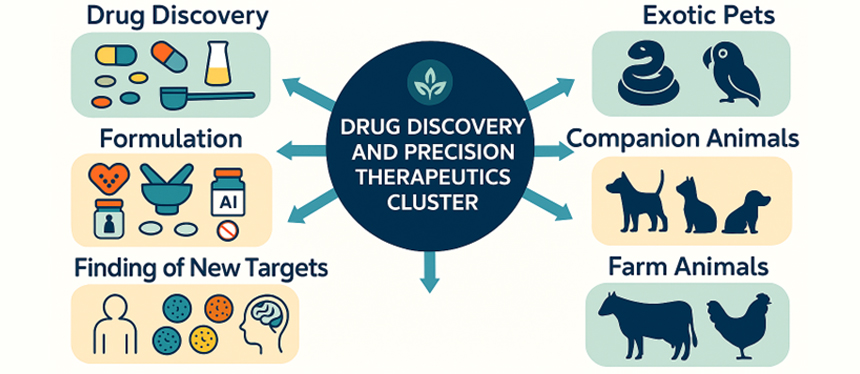
The Drug Discovery and Precision Therapeutics Cluster brings together researchers dedicated to developing innovative therapies that improve health and well-being for both animals and humans. By combining pharmacology, molecular biology, and animal modeling, the cluster focuses on discovering new therapeutic targets, optimizing treatments, and translating research into real-world solutions. This cluster is a hub for collaboration, training, and hands-on learning, where faculty, students, and practitioners explore cutting-edge therapies, share knowledge, and contribute to the next generation of translational medicine.
Core Research Themes
- Therapeutic Target Discovery: Identifying new molecular targets to address unmet medical needs.
- Precision Pharmacology: Optimizing drug effectiveness and safety through advanced models.
- Translational Drug Development: Moving promising compounds from preclinical research toward clinical applications.
- Innovative Treatment Strategies: Creating next-generation therapies, including novel formulations and combination treatments.
- Training & Collaboration: Offering seminars, journal clubs, and hands-on experiences to foster learning and interdisciplinary teamwork.
Meet the Team

Cluster lead
Mohadeseh Abouhosseini Tabari, DVM, PhD
Dr. Tabari leads the Drug Discovery and Precision Therapeutics Cluster, with research focused on developing and optimizing novel therapeutics for animal and human health. Her work integrates veterinary pharmacology, pharmacokinetics, drug delivery systems, and animal models to identify new therapeutic targets and improve treatment efficacy and safety. She has experience translating mechanistic discoveries into practical, evidence-based therapeutic strategies across veterinary and biomedical applications.
Expertise: Veterinary Pharmacology, Pharmacokinetics, Drug Delivery Systems, Novel Therapeutics
[Publications] | [Contact]
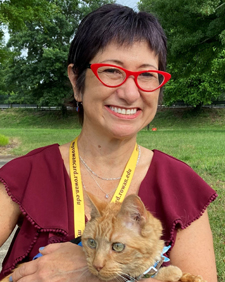
Elena Contreras, DVM, MS, PhD, Resident, American College of Animal Welfare
Dr. Contreras’s research spans multiple disciplines including pharmacology. She is currently interested in assessing and characterizing affective states, motivation, and welfare in animals through behavioral observation, ethograms, physiologic indicators, biomarkers, and non-invasive EEG. Her pharmacology interests relate to toxicities, anxiolytics, psychopharmaceuticals, and analgesics, quantifying their behavioral and physiological effects in animals, with the ultimate goal of improving welfare and fostering positive affective states. Previous research focused on novel preventive and treatment measures for feline upper respiratory tract infection and other feline and canine infectious diseases.
Expertise: Animal Welfare, Veterinary Behavior, Veterinary Ethics, Feline Upper Respiratory Tract Disease, Clinical Research Methodology

Rao Dukkipati, BVSc, MVSc, PhD
Dr. Dukkipati’s research is primarily focused on control and prevention of animal diseases - development of vaccines and diagnostics, and understanding genetic mechanisms underlying production, reproduction and disease resistance/susceptibility traits. Dr. Dukkipati has so far supervised 5 PhD (4 as primary supervisor and 1 as co-supervisor) and 5 Masters (3 as primary supervisor and 2 as co-supervisor) to completion.
Expertise: Immunology, Vaccines, Diagnostics, Molecular Biology, Genetics, Breeding
[Publications] | [Contact]

Kallesh Jayappa, DVM, PhD, DABT, DABVT
Dr. Jayappa’s research centers on comparative oncology and the health impacts of persistent environmental toxicants, with a mission to improve both human and animal health through the principles of One Health.
His group investigates cancer across species, leveraging the biological similarities between humans and companion animals to accelerate the discovery of novel therapeutics. This work includes the design and evaluation of innovative small‑molecule drugs, targeted antibody-based therapies, and advanced nanomedicine platforms. Parallel to their oncology efforts, the group investigates the growing threat of persistent environmental toxicants, particularly per- and polyfluoroalkyl substances (PFAS), commonly referred to as “forever chemicals.” Their research examines the extent of PFAS contamination in animals, the bioaccumulation and movement through the food chain, and the adverse health effects of chronic exposure in both animals and humans.
Ultimately, his group aims to confront critical challenges in cancer biology and environmental toxicology under a One Health framework, advancing the health of both animals and humans.
Expertise: Comparative Oncology, Cancer Therapy Development, Nanomedicine, and Toxicology.
[Publications] | [Contact]

Kavitha Kongara, BVSc, MVSc, PhD
Dr.Kongara’s research centers on advancing animal health through a deeper understanding of pain physiology, analgesic mechanisms, and evidence‑based veterinary therapeutics. Her work investigates how different classes of analgesic agents modulate nociception in livestock and companion animals, with a particular focus on improving welfare outcomes while minimizing drug‑related risks. By integrating clinical observations with laboratory‑based assessments of pharmacodynamics and pharmacokinetics, her research contributes to the development of safer, more effective pain‑management strategies in veterinary practice. Dr. Kongara has supervised both PhD and Masters students to completion.
Expertise: animal pain, analgesia, electroencephalography, animal behavior and welfare, pharmacokinetics, pharmacodynamics, molecular markers of pain and inflammation, renal markers.
Dr. Kongara is currently available to supervise research students.
[Publications] | [Contact]

Omar Tliba, DVM, MS, PhD
Dr. Tliba is the Associate Dean for Research and Graduate Studies at the Shreiber School of Veterinary Medicine, with an internationally recognized research program in pulmonary and inflammatory diseases. His work focuses on the cellular and molecular mechanisms that drive airway inflammation, bronchoconstriction, and steroid resistance in severe asthma. Using airway smooth muscle as a model system, his laboratory integrates immunology, molecular pharmacology, and translational biology to identify new therapeutic targets that can restore glucocorticoid responsiveness and improve outcomes in chronic lung disease. His research bridges veterinary and human medicine by advancing mechanistic insights into immune–airway interactions that underlie inflammatory airway disorders across species.
Dr. Tliba has over three decades of experience in allergic and inflammatory disease research and has led multiple NIH-funded programs, including K99/R00, R21, and long-term R01 awards. His work has contributed to a deeper understanding of glucocorticoid receptor signaling, airway smooth muscle biology, and cytokine-driven airway pathology, supporting the development of more precise and effective therapies for asthma and related respiratory diseases.
Expertise: Airway smooth muscle biology, pulmonary pharmacology, glucocorticoid signaling and resistance, inflammatory and allergic lung disease, translational respiratory immunology
[Publications] | [Contact]
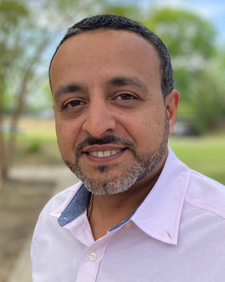
Maged Abdelmalak, PharmD, RPH
Dr. Abdelmalak’s research focuses on initiatives to develop and implement medication safety protocols for animals to ensure optimal drug therapy and reduce adverse effects. He aims to enhance the safety and efficacy of veterinary medications through evidence-based practices fostering interdisciplinary collaboration and contributing to translational research.
Expertise: Veterinary Pharmacotherapy, Medication Safety, Translational Pharmacy Practice, Regulatory Compliance & Policy Development
[Contact]
Trainees and Collaborators
Mohammad Reza Yousefi, DVM, MSc, PhD (Postdoctoral Fellow, Tabari Lab)
Phu Do, PhD (Postdoctoral Fellow, Tliba Lab)
Featured Research Projects
Bio-adhesive Paromomycin (Formulation Development, Characterization, and Therapeutic efficacy)
Lead: Dr. Tabari in collaboration with Dr. Ramanujachary’s Lab
Leveraging Animal Disease Diagnostic Laboratory Data to Identify Emerging and Re-Emerging Infectious Diseases of One Health Importance.
Facilities and Resources
Our cluster leverages state-of-the-art laboratories, molecular biology platforms, and animal modeling facilities to support translational research. These resources enable target identification, efficacy and safety testing, and optimization of therapeutic strategies across veterinary and biomedical applications.Current Opportunities
Summer Research Experience: Open to veterinary, graduate, and undergraduate students interested in drug discovery, molecular biology, pharmacology, animal welfare, pain management, exotic medicine, and translational therapeutics.
Open Positions: Projects available in drug delivery systems and exotic clinical pharmacology.
Contact faculty for details.
Contact
For inquiries about research, training, or partnerships, please contact Dr. Mohadeseh Abouhosseini.